The Tale of Three Bags: Choosing a Better Future
Oct 18,2025 | Splendid Recipe
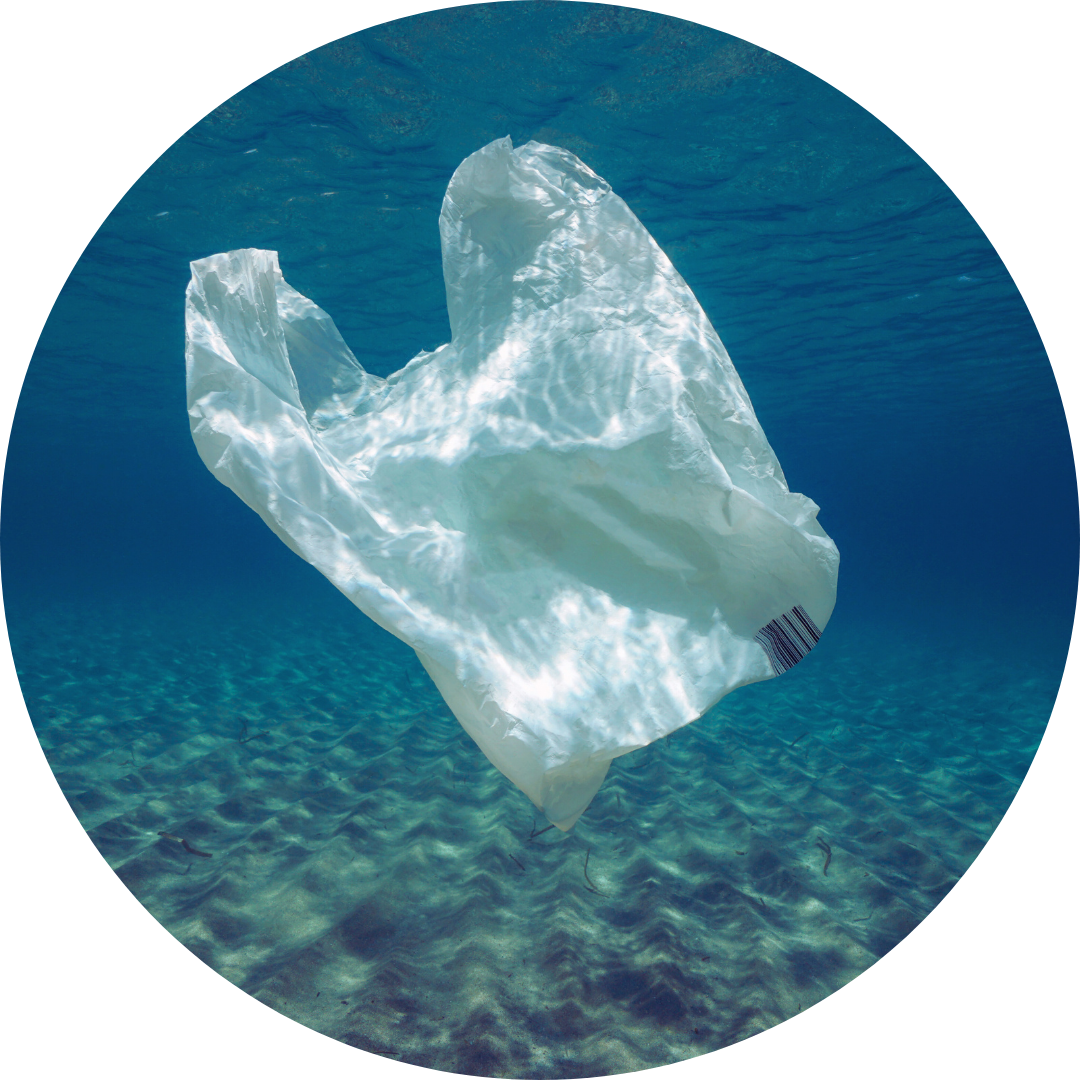
Chapter 1: The Traditionalist – White HDPE NON-OXO PL Bag
Our first character is the one you know best. It’s strong, durable, and inexpensive. Made from High-density polyethylene (HDPE), this bag is the industry standard—a reliable workhorse.
-
The Problem: The Traditionalist is a long-term commitment. It's built to last hundreds of years, and if it escapes the recycling bin, it becomes a permanent fixture. It contributes to long-term pollution, harming our oceans and landscapes. While often recyclable, its sheer volume makes its environmental impact hard to ignore.
-
The Legacy: A very long one, unfortunately, as persistent litter and pollution.
![]()
Chapter 2: The Quick Fix – White HDPE OXO PL Bag
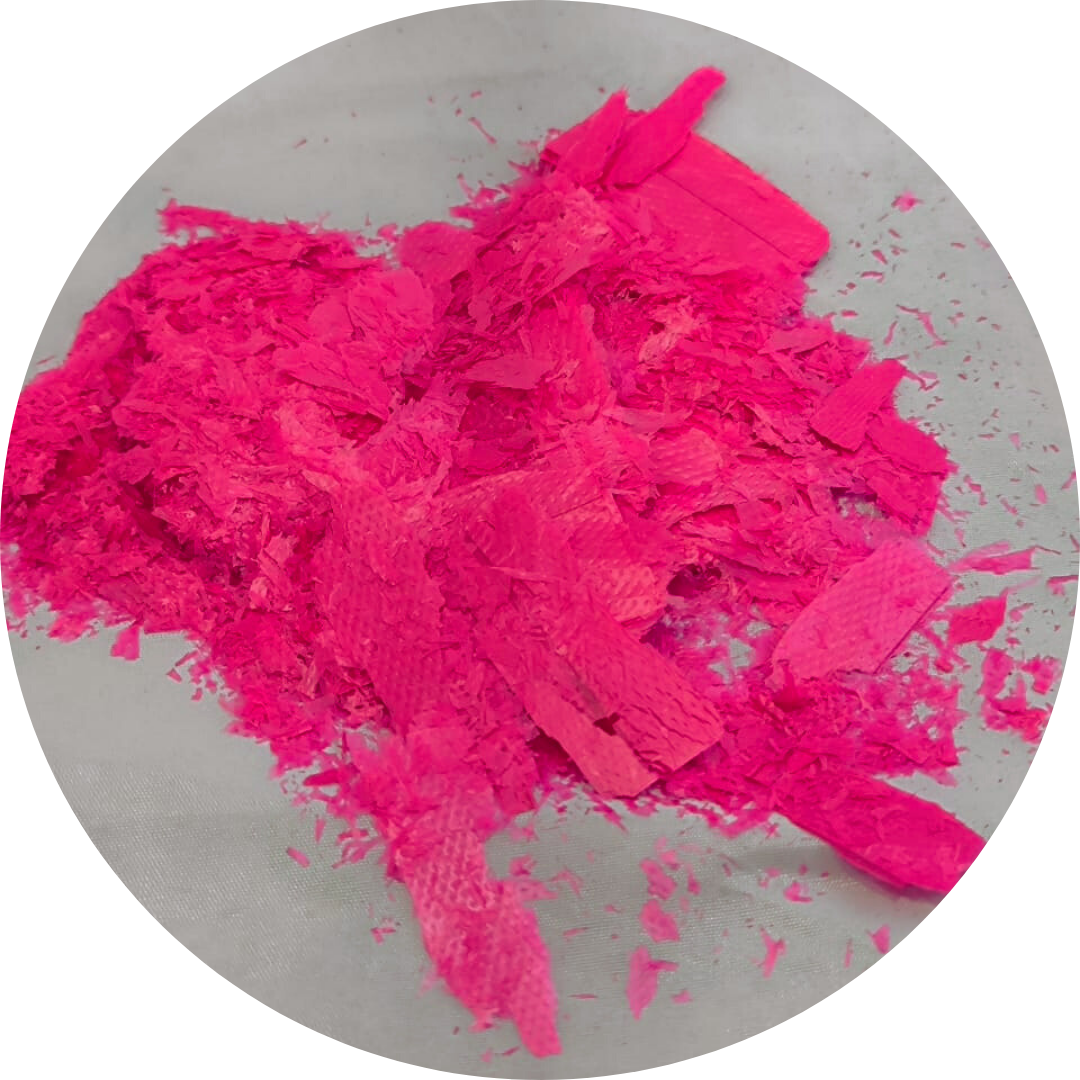
Next, we have the Quick Fix. This bag starts life as traditional HDPE, but it includes a special oxo-biodegradable additive. Its marketing suggests a faster solution, claiming to degradable more quickly in the presence of oxygen, UV light, and heat.
-
The Promise: Potentially less harmful to the environment because it reduces the time the litter persists.
-
The Catch: This bag is slightly more expensive, and its environmental benefits are heavily debated. Instead of truly decomposing like natural materials, studies suggest it may simply fragment into tiny pieces of plastic called microplastics which can be harmful. The additive can also complicate the recycling process, making it less reliably recyclable than the traditional bag.
-
The Legacy: A fragmented one, potentially leaving behind invisible microplastic pollution
![]()
Chapter 3: The Earth Steward – Biodegradable Bag
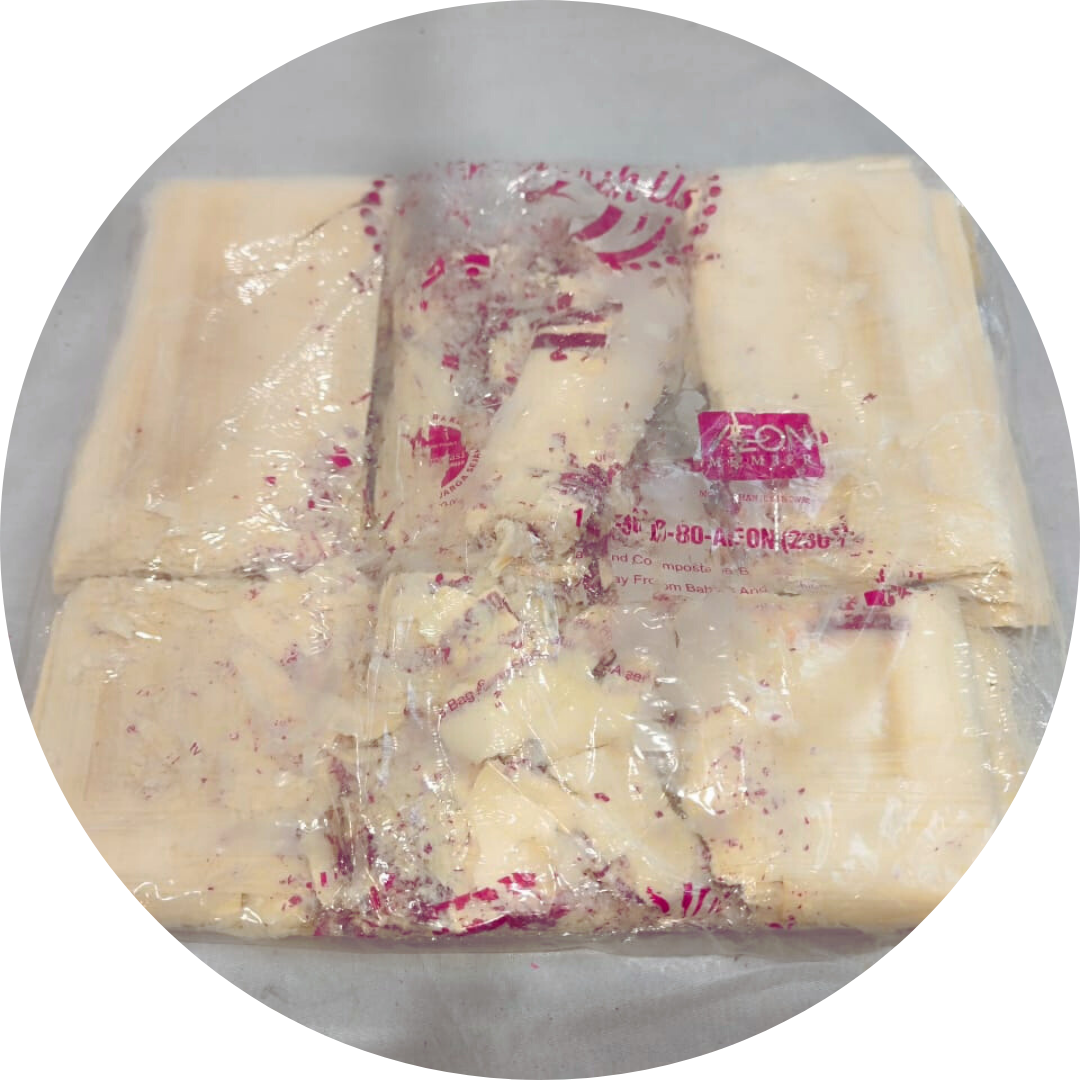
Finally, we meet the Earth Steward. This bag represents a fundamental shift in design. It is typically made from plant-based materials like cornstarch or sugarcane, or bioplastics (like PLA or PHA). It is often the most expensive option, and its strength and durability can vary, sometimes being less robust than the others.
-
The Advantage: This bag is designed for a graceful exit. It is built to decompose naturally by microorganisms under the right conditions.
-
The Requirement: To fulfill its promise, the Earth Steward needs your help. It usually requires specific composting conditions to break down properly, often in industrial composting facilities. While generally considered the most environmentally friendly, it may not decompose readily in a regular landfill.
-
The Trust Check: Be sure to look for "compostable" certifications (like ASTM D6400 or EN 13432), as "biodegradable" claims alone can be misleading if the bag isn't correctly composted.
-
The Legacy: A return to the soil, leaving behind no toxic residue or plastic waste.
![]()
Your Choice, Our Future
Which character do you want to support?
The traditional bag stays for centuries. The oxo bag potentially becomes microplastics. The Biodegradable Bag is designed to become part of the earth again.
Every time you choose a certified compostable or truly biodegradable bag and dispose of it correctly in a composting system, you are voting for a cleaner planet. You are choosing a lifecycle that honors nature, minimizes pollution, and ensures that the convenience of today doesn't become the burden of tomorrow.
Be the change. Choose the Earth Steward.
| Feature | White HDPE OXO PL Bag | White HDPE NON-OXO PL Bag | Biodegradable Bag |
| Material | High-density polyethylene (HDPE) with an oxo-biodegradable additive | High-density polyethylene (HDPE) | Typically made from plant-based materials like cornstarch, sugarcane, or other bioplastics (e.g., PLA, PHA) |
| Degradation | Designed to degradable more quickly in the presence of oxygen, UV light, and heat | Traditional plastic that can take hundreds of years to decompose | Designed to decompose naturally by microorganisms in specific composting conditions (biological breakdown) |
| Environmental Impact | Potentially less harmful to the environment due to faster breakdown, reducing the time it persists as litter. However, there are concerns about microplastic formation during degradation. | Can contribute to long-term pollution and harm to wildlife if not properly disposed of | Generally considered more environmentally friendly if properly composted. May not break down readily in regular landfills. |
| Recyclability | Can be recycled in some facilities, but the oxo-biodegradable additive may complicate the recycling process. | Recyclable in many facilities, depending on local regulations and collection systems. | Often not recyclable in traditional plastic recycling streams. May be compostable in industrial composting facilities. |
| Strength & Durability | Comparable to non-oxo bags in terms of strength and durability during its initial use. | Generally considered strong and durable for a variety of applications. | Varies depending on the specific bioplastic used. Some may be less durable than traditional plastics. |
| Cost | May be slightly more expensive due to the additive. | Typically less expensive. | Often more expensive than traditional plastics. |
| Other Information | Oxo-biodegradable plastics are sometimes marketed as "eco-friendly," but their environmental benefits are debated. Some studies suggest they may break down into microplastics that can be harmful. | HDPE is a widely used and versatile plastic. | Requires specific composting conditions to break down properly. "Biodegradable" claims can be misleading if the bag isn't composted correctly. Look for certifications like "compostable" (e.g., ASTM D6400, EN 13432). |